The Nutritional Power of Nigerian Superfoods
Nigerian cuisine, renowned for its bold flavors and vibrant colors, is also a treasure trove of nutritional powerhouses.

Unveiling the Nutritional Treasures: Nigerian Superfoods
Nigerian cuisine boasts a wide array of superfoods, each offering a unique combination of vitamins, minerals, antioxidants, and other beneficial compounds.
-
Leafy Greens: Nigerian leafy greens are nutritional powerhouses, packed with vitamins, minerals, and antioxidants.
Some popular examples include: - Ugu (Pumpkin Leaves): Rich in vitamins A and C, iron, and calcium, Ugu leaves are known for their blood-boosting properties and are often used in soups and stews.
- Spinach: A versatile leafy green, spinach is a good source of iron, folate, and vitamins A and K.
- Bitter Leaf: Despite its slightly bitter taste, bitter leaves are packed with antioxidants and are
believed to have various health benefits, including aiding digestion and regulating blood sugar levels.

-
Tubers and Roots: Nigerian cuisine features a variety of tubers and roots that are excellent sources of complex carbohydrates, fiber, and essential nutrients.
- Yams: A staple food in Nigeria, yams are a good source of fiber, potassium, and vitamin C. They provide sustained energy and are often boiled, fried, or pounded into a smooth paste called "pounded yam."
- Sweet Potatoes: These sweet and starchy root vegetables are rich in beta-carotene, which the body converts to vitamin A, essential for healthy vision and skin.
- Cassava: A versatile root vegetable, cassava is a good source of carbohydrates and fiber.
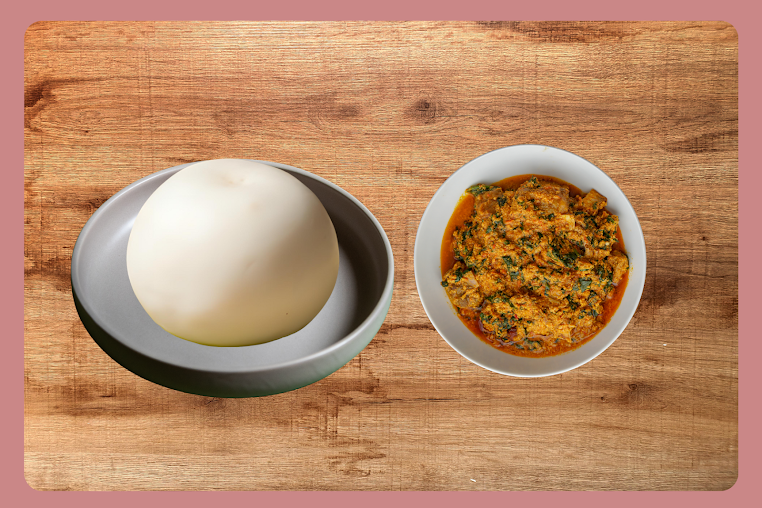
It is often processed into flour to make fufu, a popular accompaniment to soups and stews.

- Yams: A staple food in Nigeria, yams are a good source of fiber, potassium, and vitamin C. They provide sustained energy and are often boiled, fried, or pounded into a smooth paste called "pounded yam."
-
Legumes and Pulses: Nigerian cuisine relies heavily on legumes and pulses, which are excellent sources of plant-based protein, fiber, and essential nutrients.
- Beans: A staple in Nigerian diets, beans come in various colors and varieties, each offering a unique nutritional profile.
They are a good source of protein, iron, and fiber, contributing to satiety and digestive health. - Lentils: These small but mighty legumes are packed with protein, fiber, and iron.
They are often used in soups and stews, adding a hearty and nutritious element to the dish. - Groundnuts (Peanuts): A versatile legume, groundnuts are a good source of protein, healthy fats, and fiber.
They are often used to make groundnut soup, a popular Nigerian dish, or enjoyed as a snack. 
- Beans: A staple in Nigerian diets, beans come in various colors and varieties, each offering a unique nutritional profile.
Grains: Nigerian cuisine incorporates various grains, which provide complex carbohydrates, fiber, and essential nutrients.
- Millet: A gluten-free grain, millet is a good source of fiber, magnesium, and phosphorus.
It is often used to make Kunu, a refreshing and nutritious beverage. - Sorghum: Another gluten-free grain, sorghum is rich in fiber, iron, and antioxidants.
It is often used to make Tuwo, a starchy staple in Northern Nigeria. - Brown Rice: A healthier alternative to white rice, brown rice is a good source of fiber, magnesium, and manganese.

Fruits: Nigerian fruits offer a burst of flavor and a wealth of vitamins, minerals, and antioxidants.
- Mangoes: Rich in vitamins A and C, mangoes are known for their immune-boosting properties and their delicious sweetness.
- Oranges: A good source of vitamin C and antioxidants, oranges contribute to healthy skin and a strong immune system.
- Pineapples: Packed with vitamin C and bromelain, an enzyme that aids digestion, pineapples offer both flavor and digestive benefits.
- Mangoes: Rich in vitamins A and C, mangoes are known for their immune-boosting properties and their delicious sweetness.
-
Spices and Herbs: Nigerian cuisine is known for its use of aromatic spices and herbs, many of which offer potential health benefits.
- Ginger: Known for its anti-inflammatory properties, ginger may help relieve nausea, digestive discomfort, and muscle pain.
- Garlic: Garlic has antibacterial and antiviral properties and may help boost the immune system and lower blood pressure.
- Turmeric: This vibrant yellow spice contains curcumin, a powerful antioxidant with anti-inflammatory properties.
- Ginger: Known for its anti-inflammatory properties, ginger may help relieve nausea, digestive discomfort, and muscle pain.
Incorporating Nigerian Superfoods into Your Diet
Adding Nigerian superfoods to your diet can be a delicious and easy way to improve your health and well-being.
-
Tips and Suggestions:
- Add Leafy Greens to Stews and Soups: Incorporate leafy greens like Ugu, spinach, or bitter leaf into your favorite stews and soups for an extra boost of vitamins and minerals.
- Use Yams as a Side Dish: Enjoy boiled, fried, or roasted yams as a healthy and satisfying side dish.
- Snack on Fruits: Keep a variety of Nigerian fruits on hand for a healthy and refreshing snack.
- Incorporate Legumes and Pulses into Your Meals: Add beans, lentils, or groundnuts to your stews, soups, or salads for a boost of plant-based protein and fiber.
- Choose Whole Grains: opt for whole grains like brown rice, millet, or sorghum instead of refined grains for added fiber and nutrients.
- Spice Up Your Dishes: Use ginger, garlic, turmeric, and other Nigerian spices and herbs to add flavor and potential health benefits to your meals.
-
Wumi's Bistro's Menu: At Wumi's Bistro, we incorporate various Nigerian superfoods into our menu, offering healthy and flavorful options for our customers. Our dishes are prepared with fresh, high-quality ingredients, ensuring that you enjoy the full nutritional benefits of these superfoods.
Conclusion:
Nigerian cuisine is a nutritional powerhouse, packed with superfoods that offer a wide range of health benefits.
Call to Action:
Explore the healthy and delicious options at Wumi's Bistro and experience the nutritional power of Nigerian superfoods! Visit our website www.dohabistro.com to browse our menu and place your order online, or leave us a message at +97455171993.
Follow us on social media handles for updates, promotions, and a taste of Nigerian culture.




Comments
Post a Comment